

Tactile Maximalism vs Minimalist Design: Which Will Future-Proof Your Business Website in 2026?
- Owen Measures
- Jan 6
- 5 min read
The design world is having a bit of an identity crisis right now. After years of clean lines, white space, and "less is more" philosophy dominating web design, we're seeing a bold counter-movement emerge. Tactile maximalism is making waves, bringing texture, colour, and visual richness back to the digital landscape.
But here's the million-pound question for UK business owners: which approach will actually future-proof your website in 2026 and beyond?
The answer isn't as straightforward as picking a side. Both minimalism and maximalism have their place in modern web design, and the right choice depends entirely on your business type, audience, and goals. Let's break down what each approach offers and help you make the smartest decision for your brand.
Understanding Minimalist Design in 2026
Minimalist design isn't going anywhere: it's just getting smarter. The 2026 version of minimalism has evolved beyond stark white backgrounds and tiny fonts. Today's minimalist websites focus on intentional simplicity that serves a purpose.
Think of brands like Apple or Stripe. Their websites use plenty of white space, but every element has a job to do. Navigation is crystal clear, content hierarchy guides you naturally through the page, and there's no visual clutter competing for your attention.
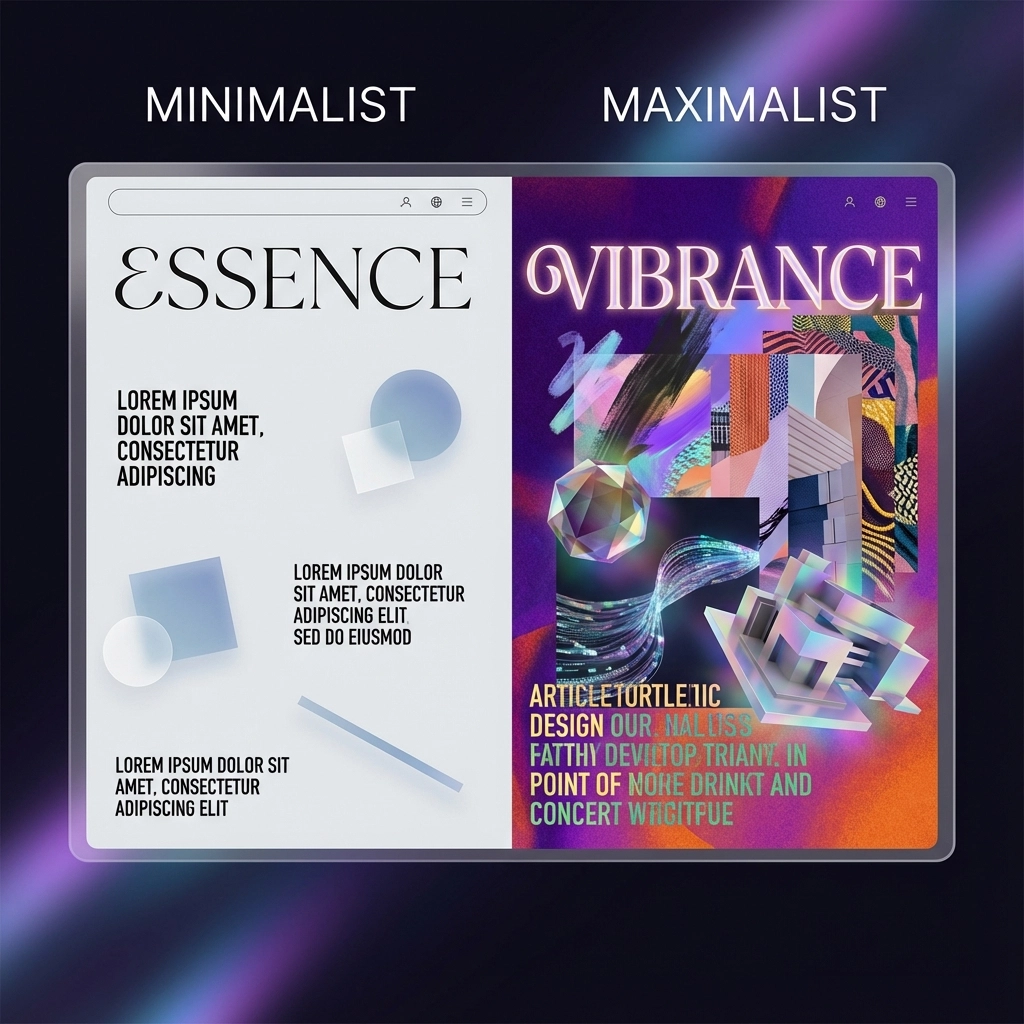
For UK businesses, minimalist design offers some serious advantages:
Speed and Performance: Fewer visual elements mean faster loading times, which is crucial when Google's Core Web Vitals directly impact your search rankings. UK internet speeds vary significantly across regions, so a lightweight site ensures everyone can access your content quickly.
Mobile Optimisation: With over 60% of UK web traffic coming from mobile devices, minimalist designs naturally adapt better to smaller screens. There's simply less to squeeze in.
Accessibility: Clean designs with high contrast and clear typography make your website more accessible to users with visual impairments: something that's becoming increasingly important for legal compliance.
Conversion Focus: When there are fewer distractions, visitors are more likely to take the action you want them to take, whether that's filling out a contact form or making a purchase.
Enter Tactile Maximalism: The Bold Alternative
Tactile maximalism isn't about throwing design rules out the window: it's about controlled boldness. This approach embraces rich textures, vibrant colours, asymmetrical layouts, and interactive elements that make websites feel more like experiences than static pages.
The "tactile" part is key here. Modern maximalism uses techniques like 3D elements, gradient overlays, and micro-animations to create websites that feel almost touchable, even on a screen.
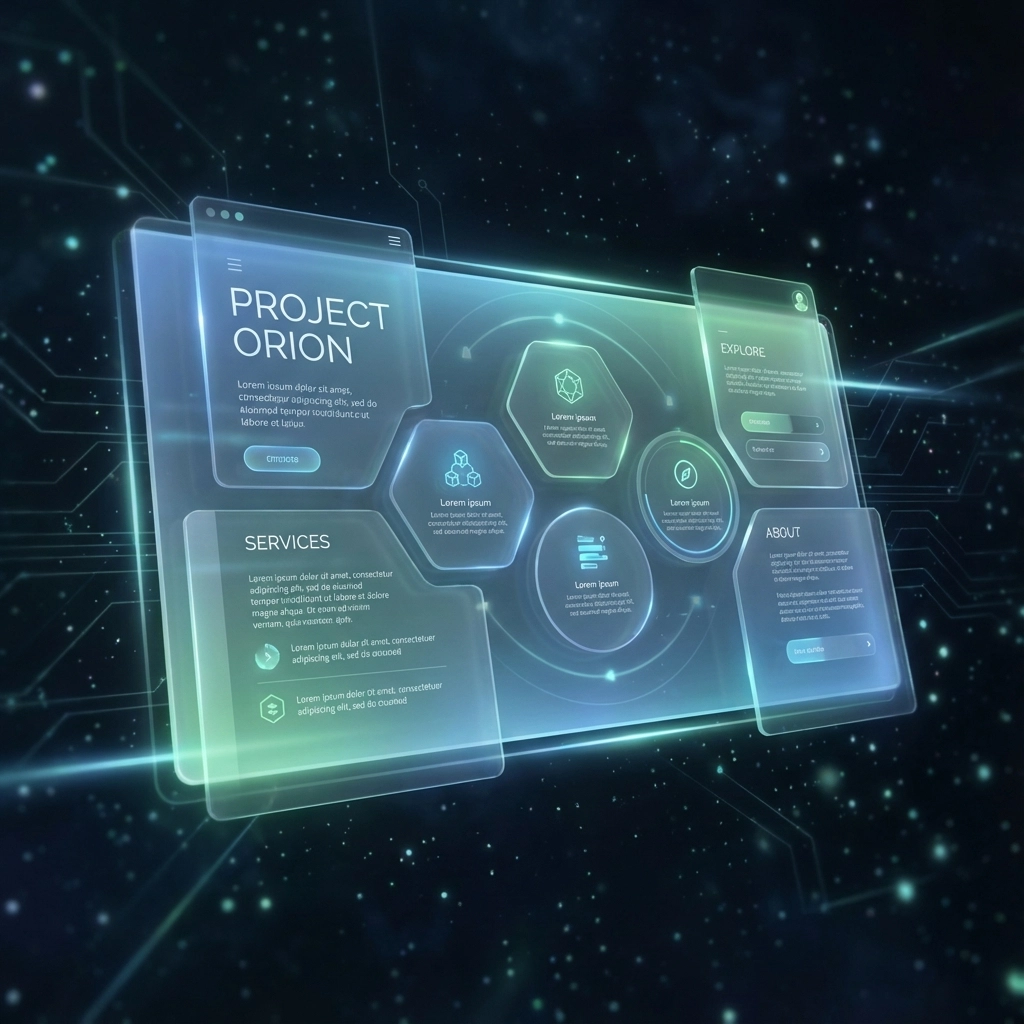
Take a look at brands like Nike or creative agencies showcasing their portfolios. They use bold typography, striking imagery, and layered visual elements to create memorable experiences that stick with visitors long after they've left the site.
But maximalism in 2026 isn't chaos. It's strategic excess: using rich visual language to tell your brand story in ways that minimalist designs simply can't match.
Real-World Examples: Who's Using What
Minimalism in Action:
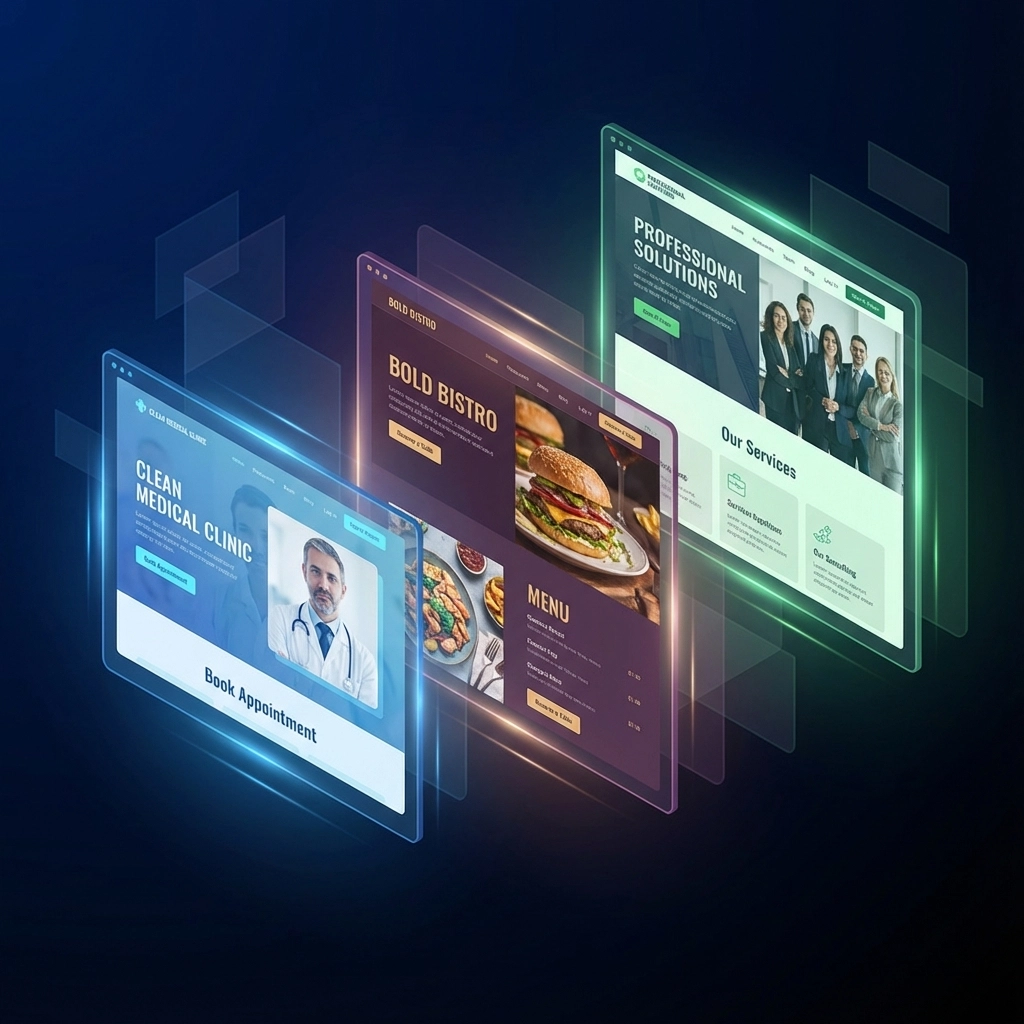
Professional Services: Solicitors, accountants, and consultants typically benefit from minimalist designs that project trustworthiness and competence
SaaS Companies: Software businesses often use clean, minimalist layouts to make complex products feel simple and approachable
Healthcare: Medical practices need designs that feel clinical and professional while remaining accessible to all age groups
Maximalism Working Well:
Creative Industries: Design agencies, photographers, and artists use bold, textured designs to showcase their creative capabilities
Hospitality: Restaurants and hotels employ rich visuals and immersive experiences to evoke emotions and appetite
Fashion and Beauty: These industries thrive on visual impact and trend-forward aesthetics that maximalist approaches deliver brilliantly

Which Approach Suits UK SMEs?
Here's where it gets practical. Most UK small and medium enterprises fall into specific categories, and each has different design needs:
Service-Based Businesses (plumbers, electricians, local consultants): Minimalist designs typically work better. Your customers want to find your contact information quickly, understand your services clearly, and feel confident in your professionalism. A cluttered, overly creative website might actually work against you.
Retail and E-commerce: This is where it gets interesting. If you're selling practical products (tools, office supplies, everyday items), minimalist designs often convert better. But if you're in fashion, home décor, or lifestyle products, maximalist approaches can create the emotional connection that drives purchases.
B2B Companies: Unless you're in a creative industry, minimalist designs generally perform better for B2B. Decision-makers are typically looking for clear information and easy navigation, not visual spectacle.
Local Businesses with Strong Brand Personalities: Independent restaurants, boutique shops, or unique service providers might benefit from maximalist approaches that help them stand out in crowded local markets.
The Performance Reality Check
Here's something many design discussions skip: performance implications. Maximalist designs inherently use more resources: larger images, complex animations, rich media content. In 2026, this matters more than ever.
Google's algorithm increasingly prioritises site speed and user experience metrics. A beautifully maximalist website that loads slowly will struggle in search rankings, regardless of how visually stunning it is.
However, this doesn't automatically disqualify maximalism. With modern web technologies and proper optimisation techniques, it's possible to create rich, tactile experiences that still perform well. It just requires more technical expertise and ongoing maintenance.
Making the Right Choice for Your Business
The decision between minimalist and maximalist design shouldn't be based on personal preference or current trends: it should align with your business strategy.
Ask yourself these questions:
The WebOws Design Approach
At WebOws Design, we don't believe in one-size-fits-all solutions. We've worked with UK businesses across every sector, and we've seen how the right design approach can transform a company's online presence.
Our process starts with understanding your business goals, target audience, and competitive landscape. Sometimes that leads to a clean, minimalist design that puts your content front and centre. Other times, it means creating a rich, immersive experience that tells your brand story in bold, memorable ways.
We also consider the long-term picture. A website that looks amazing today but becomes difficult to maintain or update isn't truly future-proof. Whether we're implementing minimalist efficiency or maximalist creativity, we ensure your website can evolve with your business.

Future-Proofing Beyond Design Philosophy
Here's the thing about future-proofing: it's less about choosing the "right" design trend and more about building adaptable, performant websites that serve your business goals effectively.
Both minimalist and maximalist designs can be future-proof if they're built with flexibility in mind. The key factors are:
Responsive design that adapts to any device
Performance optimisation that maintains fast loading times
Accessibility compliance that serves all users
Content management systems that allow easy updates
Strategic planning that aligns with business objectives
The most successful websites we've built combine elements from both approaches: using minimalist principles for navigation and conversion paths while incorporating maximalist elements for brand personality and emotional connection where appropriate.
Ready to Find Your Perfect Design Balance?
Choosing between minimalist and maximalist design doesn't have to be an either-or decision. The best approach for your business might be a thoughtful blend of both philosophies, tailored to your specific goals and audience.
If you're unsure which direction would work best for your UK business, we'd love to help you figure it out. At WebOws Design, we offer free website reviews where we analyse your current site (or discuss your vision for a new one) and provide honest recommendations based on your industry, audience, and objectives.
Get in touch with our team for a no-obligation consultation. We'll help you create a website that doesn't just look great: it works great for your business, both now and in the years ahead.
Comments