

Are User-Friendly Websites Dead? Do People Still Care About Simple Design in 2026?
- Owen Measures
- Dec 26, 2025
- 5 min read
The short answer? Absolutely not. User-friendly websites aren't dead: they're just evolving. While social media feeds get more chaotic and apps pile on features, successful businesses in 2026 are doubling down on clean, intuitive web design. The difference is they're doing it smarter.
If you've been wondering whether to simplify your website or add more bells and whistles, you're asking the right question. Let's cut through the noise and look at what actually works for UK businesses today.
The Great Design Evolution: What's Really Happening in 2026
Here's what the data shows: user attention spans haven't magically increased. If anything, people are more impatient than ever. A website that loads slowly or confuses visitors still loses customers within seconds.
But "simple" doesn't mean "boring" anymore. The most effective websites in 2026 practice what experts call "AI-inspired minimalism": clean interfaces that use smart technology to anticipate what users need. Think fewer menu options, but the right ones appearing at the right time.
Take Wix Studio, for example. It combines the simplicity users love with intelligent features that adapt to visitor behaviour. UK businesses using this approach see better conversion rates because their websites feel both familiar and helpful.

Why Simple Design Still Wins (Especially for UK Businesses)
British consumers have particular expectations when it comes to websites. They value efficiency, clarity, and getting things done quickly. This cultural preference aligns perfectly with user-friendly design principles.
Recent studies show that UK visitors abandon complex websites 40% faster than their international counterparts. They're not interested in flashy animations or complicated navigation: they want to find information, make purchases, or contact businesses without jumping through hoops.
The Mobile Factor Changes Everything
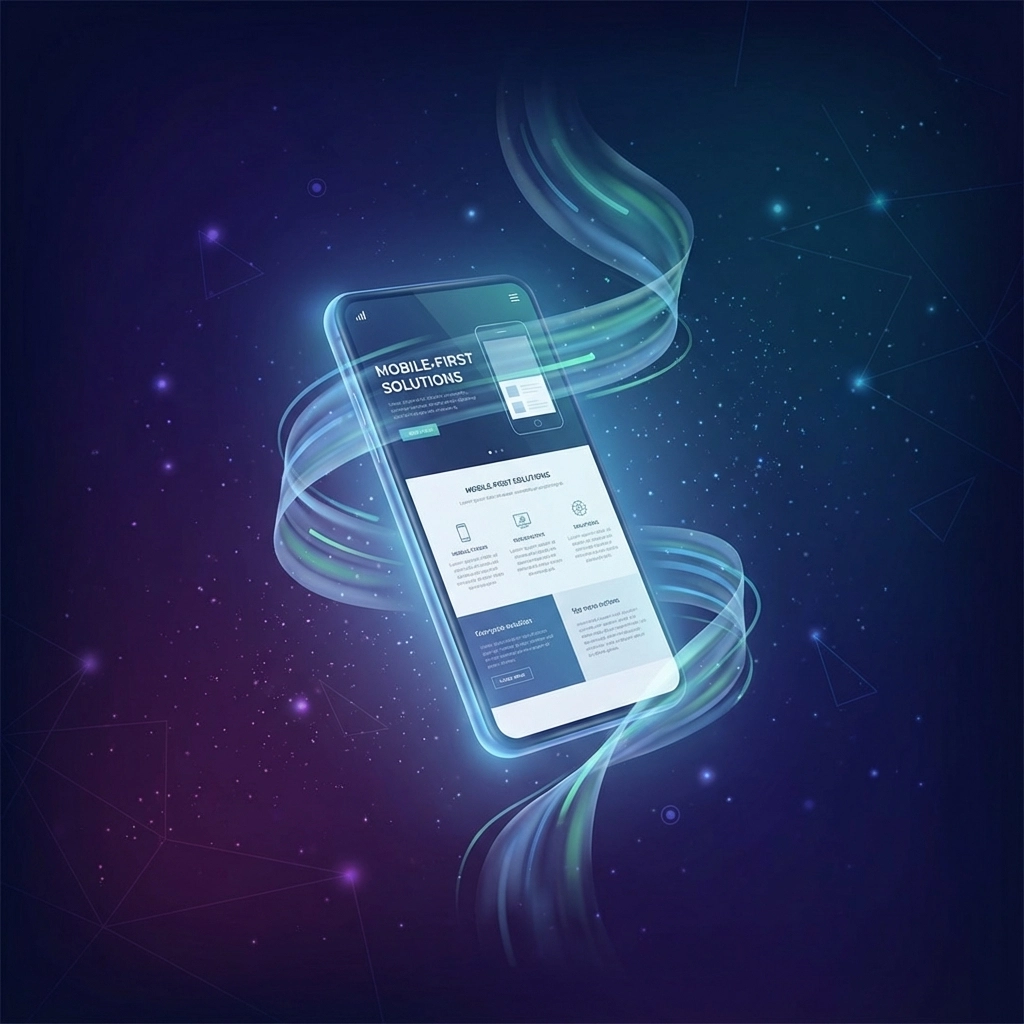
With over 60% of UK web traffic coming from mobile devices, simple design isn't just nice to have: it's essential for survival. Complex layouts that work on desktop become impossible to navigate on smartphones.
Wix Editor automatically handles this responsive design challenge, but you still need to think mobile-first. That means:
Thumb-friendly buttons
Scannable text blocks
Clear navigation paths
Fast-loading images
The Complexity Trap: When "More Features" Hurts Business
Many UK business owners fall into the same trap: they see competitors adding features and assume they need to do the same. This leads to website bloat that actually reduces conversions.
Consider this scenario: a Manchester-based restaurant adds online ordering, table booking, menu browsing, loyalty program sign-up, and social media feeds all on their homepage. Sounds comprehensive, right? Wrong. Visitors can't figure out what to do first, so they leave.
A better approach: one clear primary action (book a table), with other options easily accessible but not competing for attention.
Smart Complexity: When to Add, When to Subtract
The key isn't avoiding all complexity: it's adding the right complexity in the right places. Modern websites succeed by being simple on the surface but sophisticated underneath.
Micro-Interactions That Actually Help
Small animations and feedback mechanisms can improve user experience without cluttering the interface. Examples include:
Buttons that respond to hover states
Form fields that validate input in real-time
Progress indicators for multi-step processes
Subtle loading animations that reduce perceived wait time
These features work because they provide useful feedback without overwhelming users.
Personalisation That Feels Natural
Advanced Wix features allow websites to show different content based on visitor location, previous interactions, or referral source. A London visitor might see different pricing or local contact information than someone browsing from Edinburgh.
This kind of smart personalisation makes websites feel more relevant without adding visual complexity.
Practical Steps for UK Businesses Using Wix
Ready to optimise your website for 2026? Here's a practical checklist that works regardless of your industry:
1. Audit Your Current Navigation
Print out your website's main menu and ask: "Can someone find what they need in three clicks or less?" If not, simplify. Group related pages together and remove options that rarely get used.
2. Test Your Mobile Experience
Use your phone to complete your website's main actions (making a purchase, finding contact information, reading key content). If you struggle, your customers definitely will.
3. Optimise for Local Search
UK businesses benefit enormously from local SEO. Ensure your website includes:
Clear location information
Local phone numbers
Region-specific content where relevant
Fast loading times (crucial for local search rankings)

4. Streamline Your Content
Every page should have one primary purpose. If you're trying to inform, sell, and entertain all on the same page, pick one focus and support it with the others.
5. Use White Space Strategically
Don't pack information together. White space (the empty areas around content) helps visitors process information more easily and creates a sense of quality and professionalism.
The Future-Proof Approach
Trends change, but fundamental user experience principles remain constant. Successful UK businesses in 2026 focus on:
Performance: Fast websites always outperform slow ones, regardless of design trends.
Accessibility: Designing for users with disabilities improves the experience for everyone.
Clarity: Clear messaging converts better than clever messaging.
Trust signals: Professional design, customer reviews, and transparent policies build confidence.
These elements work whether your website uses the latest design trends or sticks with classic layouts. They're the foundation that makes everything else effective.
Common Mistakes to Avoid
Even well-intentioned UK businesses make these user-friendly design mistakes:
Over-explaining: Trust your visitors' intelligence. Clear headings and intuitive layouts often work better than detailed instructions.
Following every trend: Just because parallax scrolling or video backgrounds are popular doesn't mean they're right for your business.
Ignoring analytics: Your website data shows exactly where users struggle. Use it to guide design decisions rather than guessing.
Copying competitors exactly: What works for their audience might not work for yours. Test and adapt rather than copy.

Making the Right Choice for Your Business
User-friendly design isn't about choosing between simple and complex: it's about choosing what serves your customers best. A consulting firm might need detailed service explanations, while a retail store needs quick product browsing.
The key is intentionality. Every element on your website should have a clear purpose that supports your business goals and helps visitors accomplish their tasks.
Wix platforms excel at this balance because they provide powerful features within clean, manageable frameworks. You can add sophistication without sacrificing usability.
Ready to Create a Website That Actually Works?
User-friendly design isn't dead: it's just getting smarter. In 2026, the most successful UK businesses combine clean, intuitive interfaces with intelligent features that anticipate user needs.
If your current website feels cluttered, outdated, or simply isn't converting visitors into customers, it might be time for a fresh approach. At WebOws Design, we specialise in creating websites that look professional, perform brilliantly, and actually help your business grow.
We understand UK market expectations and know how to leverage Wix's capabilities to create websites that are both user-friendly and business-friendly. Whether you need a complete redesign or strategic optimisation of your existing site, we're here to help you cut through the complexity and focus on what really matters: connecting with your customers and growing your business.
Don't let design trends distract you from what works. Let's create a website that your customers will actually want to use.
The work began with analysis and a clear plan, which immediately inspired confidence. SEO and PPC yielded tangible results https://marketing.link/ppc-services/ . They have an Award-Winning approach, attention to detail, and data. The team is completely results-driven and demonstrates a high level of expertise. A reliable, trusted partner with strong experts.